Kalba’s Kingfisher Retreat presents low-impact tourism model built around mangroves and wildlife conservation
Set within one of Sharjah’s most sensitive coastal environments, the retreat reflects a low-impact hospitality model shaped around nature, not imposed on it
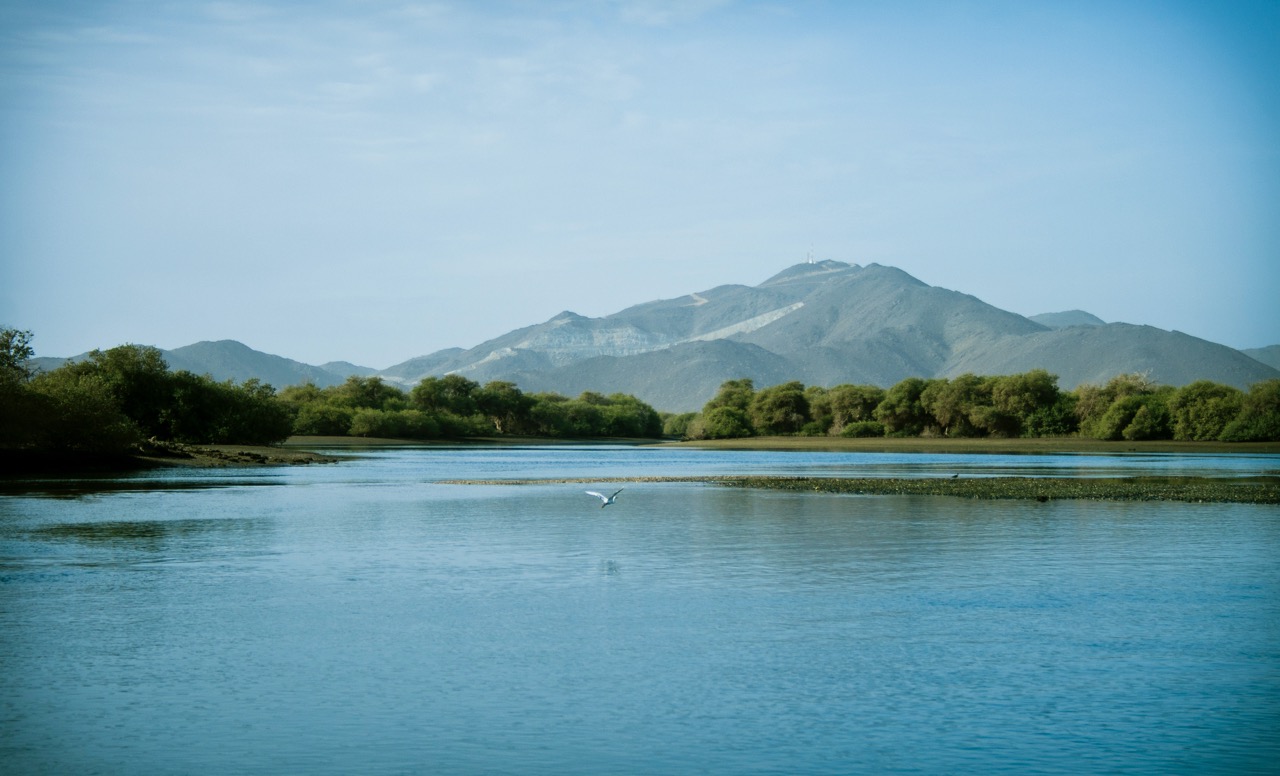
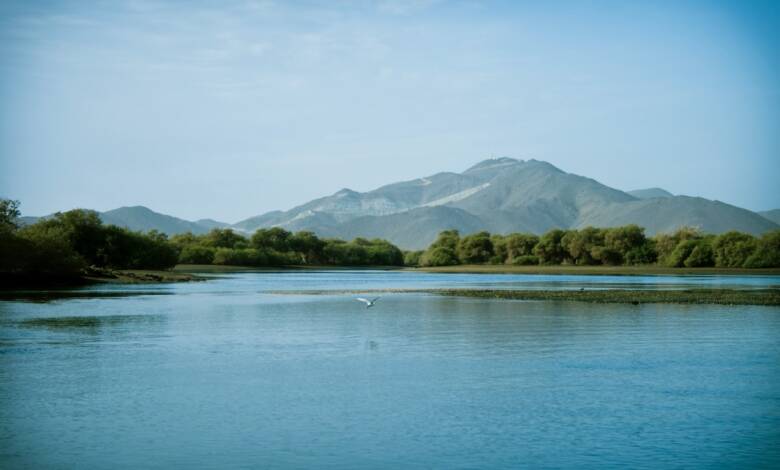
At sunrise in Kalba City, the coastline is already moving. Crabs scatter across the sand, birds pass low over the mangroves, and the tide moves quietly through narrow waterways that support one of Sharjah’s most sensitive coastal ecosystems.
This is the setting of Kingfisher Retreat, developed by the Sharjah Investment and Development Authority (Shurooq) as part of the Sharjah Collection. Located within Kalba’s wider mangrove environment, the retreat presents a model of coastal tourism where hospitality is designed around nature’s limits.
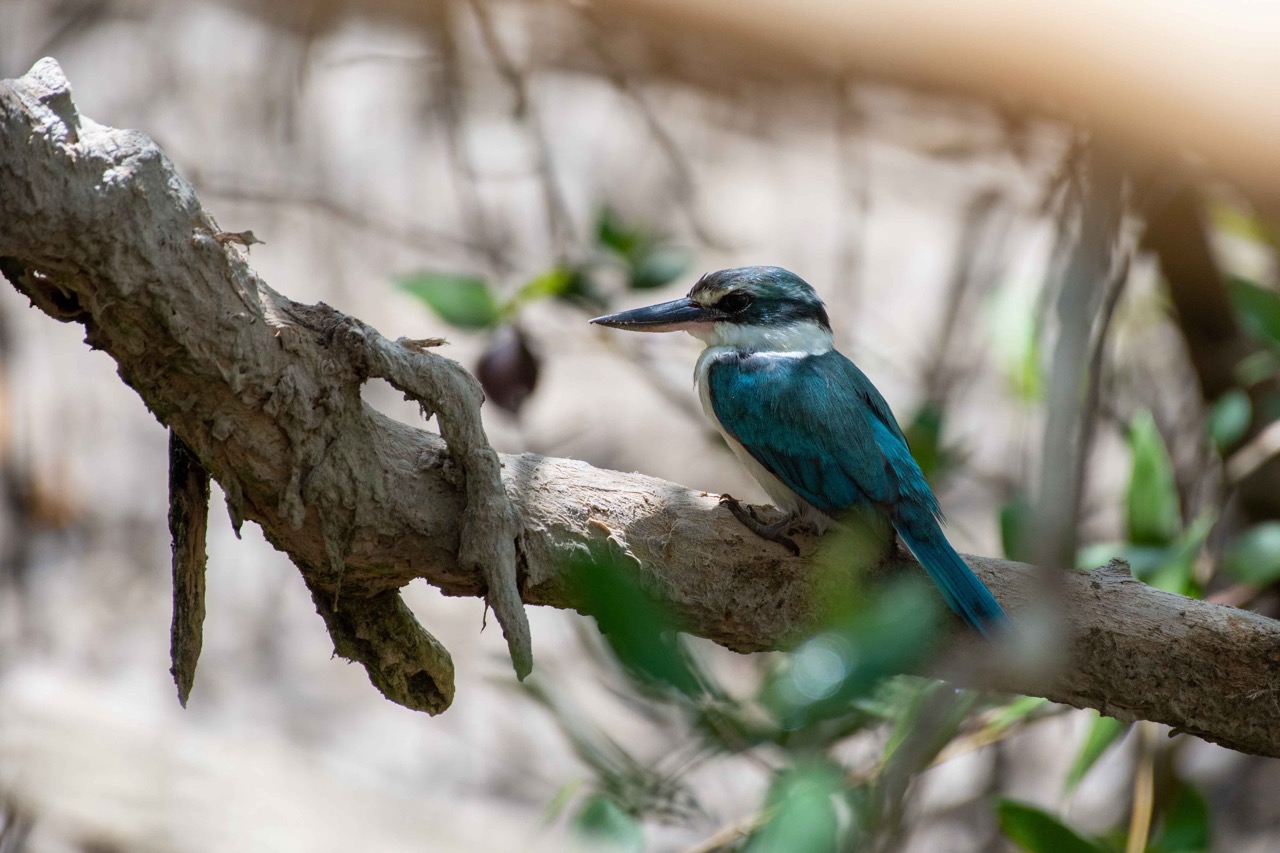
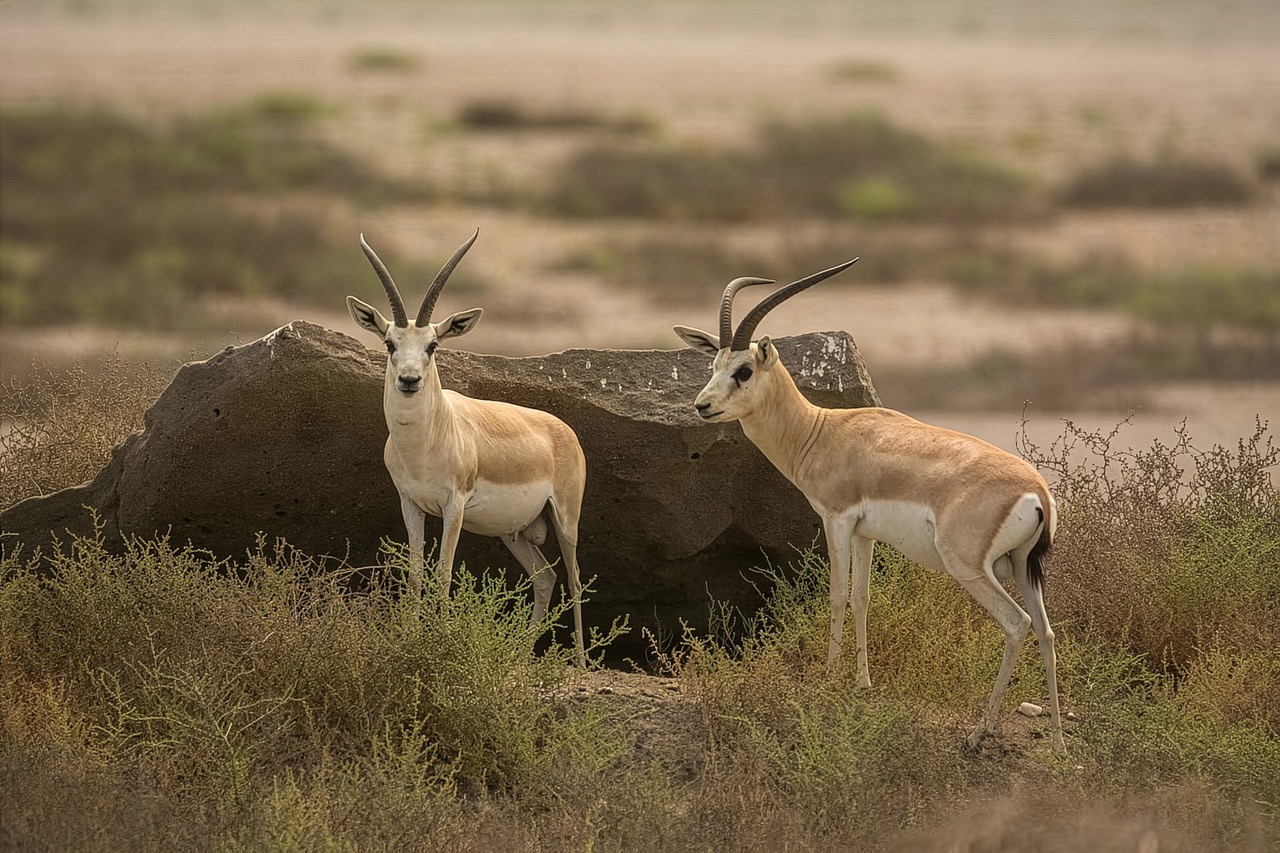
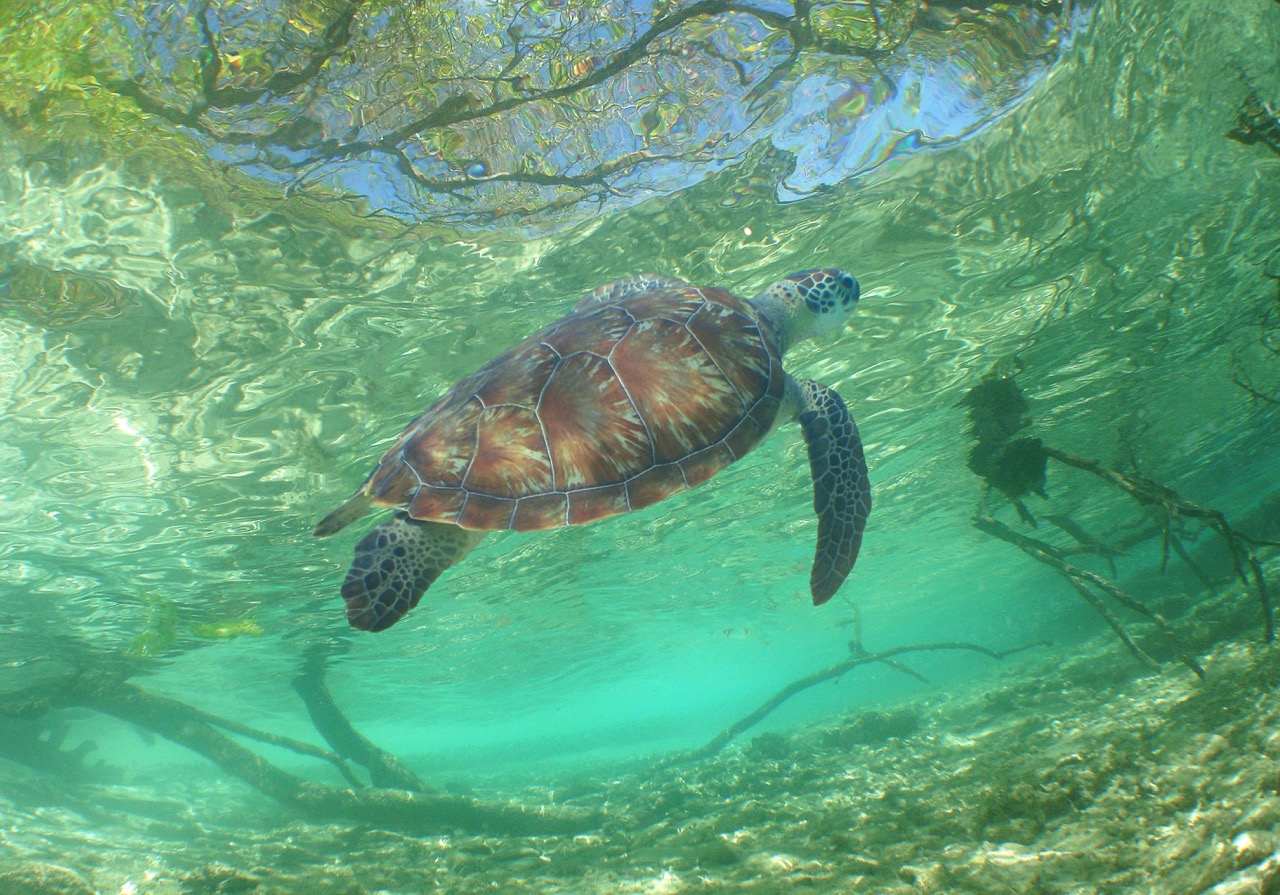
Kalba’s shoreline is home to mangrove forests, tidal channels and protected habitats that support migratory birds, gazelles, marine species and sea turtles. In many coastal destinations, tourism begins with scale and expansion. In Kalba City, the approach is different. The natural environment is not treated as a backdrop, but as the foundation of the visitor experience.
Sea turtle nesting areas in Kalba fall within protected reserve zones managed by the Environment and Protected Areas Authority (EPAA) in Sharjah. These areas are monitored to preserve the conditions required for nesting, including limited disturbance and minimal light pollution. While limited turtle activity had previously been observed near Kingfisher Retreat, nesting today is concentrated mainly within the more protected reserve areas that form part of Kalba’s wider coastal ecosystem.
Under the direction of His Highness Sheikh Dr. Sultan bin Mohammed Al Qasimi, Supreme Council Member and Ruler of Sharjah, environmental protection has become a central principle in the emirate’s development approach. In Kalba, this vision is reflected in projects that allow tourism to operate carefully within fragile natural settings.
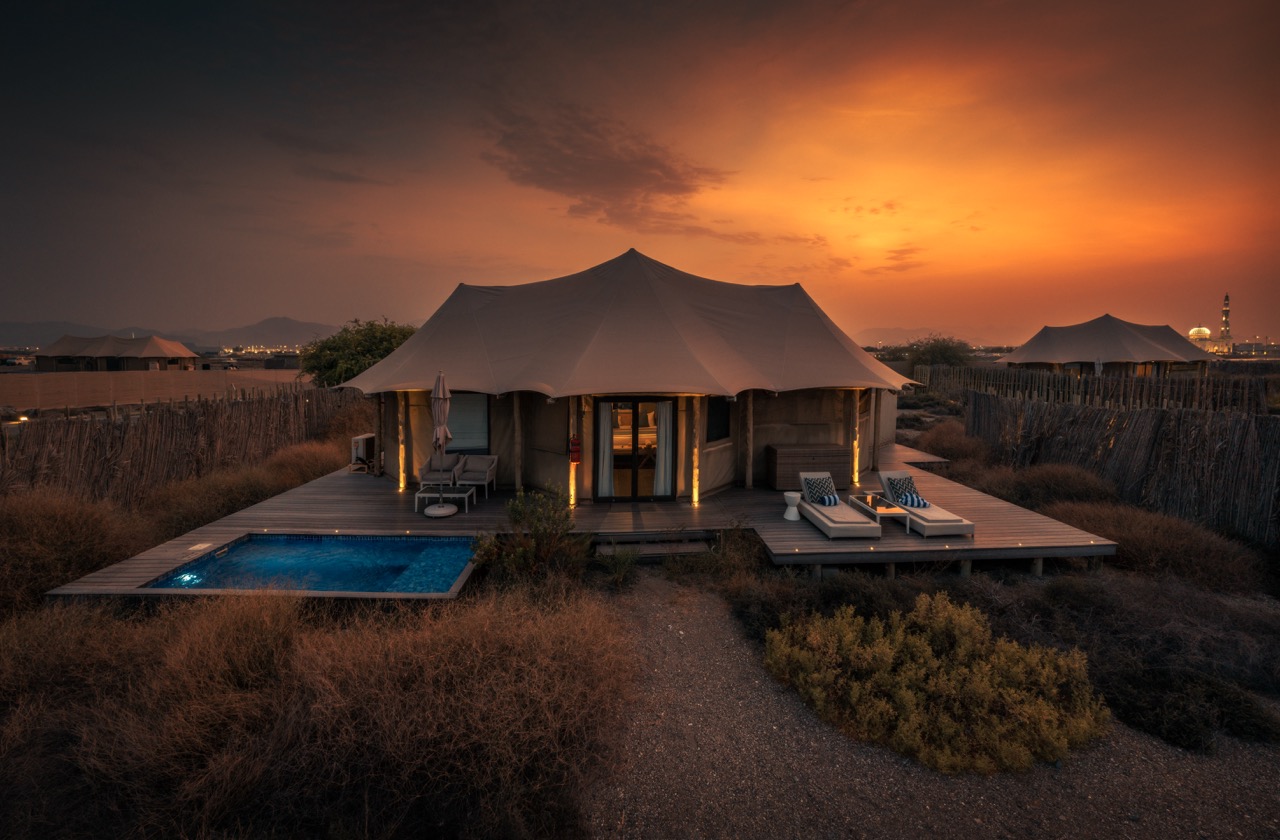
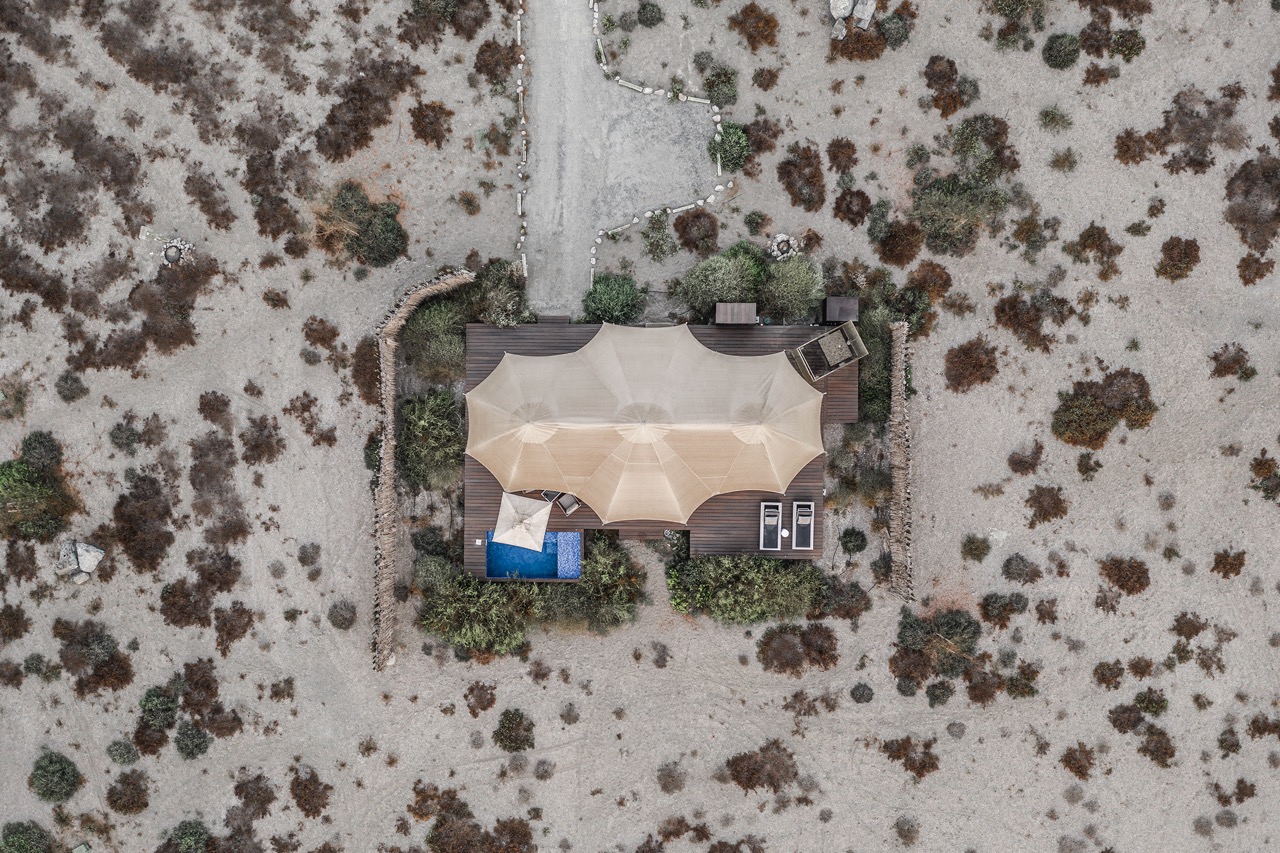
Kingfisher Retreat includes 40 low-impact luxury tents positioned to reduce pressure on the surrounding landscape. Its planning was guided by environmental impact assessments that shaped the placement of accommodation units, lighting levels and guest movement across the site.
The retreat’s design reflects this sensitivity. Accommodation units are elevated above ground level to preserve natural sand movement, reduce pressure on the soil, support native vegetation and minimise disturbance to wildlife. Lightweight materials limit intervention in the landscape, while existing vegetation has been preserved across the site.
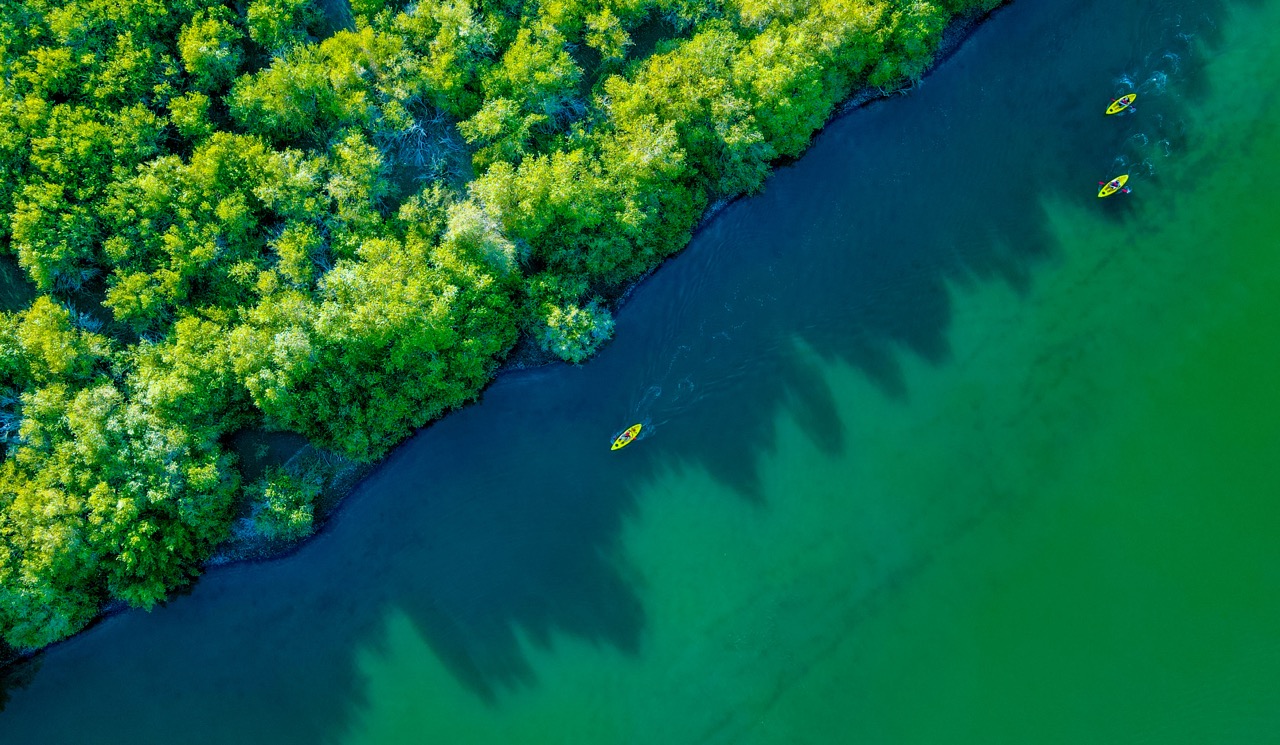
The guest experience is built around quiet engagement with nature. Visitors can kayak through the mangroves, explore tidal waterways, observe birdlife and watch the changing rhythm of the shoreline. Even the crabs that appear across the sand at sunrise and sunset are part of the ecosystem’s daily movement, helping aerate the soil and recycle organic matter along the coast.
Developed in coordination with EPAA, Kingfisher Retreat reflects Shurooq’s broader approach to destination development, where tourism is connected to the identity of each place. In Kalba, that identity is inseparable from the mangroves, wildlife and protected coastal habitats that define the area.
Kalba’s Kingfisher Retreat offers a quieter alternative to large-scale coastal tourism. It shows that responsible development is not only about reducing harm, but about allowing the environment to shape the scale, rhythm and character of the destination from the beginning.